Unlocking the Secrets of Chinese Spice Cuisine
Welcome to Spicechemy Recipes, your ultimate guide to exploring the aromatic and complex world of Chinese spices. From the fiery kick of Sichuan peppercorns to the warm embrace of star anise, Chinese cuisine is a symphony of flavors achieved through the masterful use of spices. Our mission is to demystify these incredible ingredients and bring authentic, mouth-watering Chinese dishes right into your kitchen. Whether you're a seasoned chef or a curious beginner, prepare to embark on a culinary journey that will tantalize your taste buds and expand your understanding of true Chinese gastronomy. Dive into our carefully curated collection of recipes, discover fascinating facts, and master essential cooking tips that will elevate your dishes from good to extraordinary.
Chinese spices are not just about heat; they are about balance, fragrance, and the art of creating layers of flavor. The "five-spice powder," a cornerstone of Chinese cooking, perfectly encapsulates this philosophy, blending sweet, sour, salty, bitter, and umami notes into a harmonious blend. Beyond this iconic mix, you'll find a diverse array of individual spices, each playing a crucial role in regional specialties. Explore how ginger adds zest, garlic provides pungency, and dried chilies deliver a lingering warmth. Join us as we celebrate the rich heritage and innovative spirit of Chinese spice-infused cooking.
Our Signature Chinese Spice Recipes
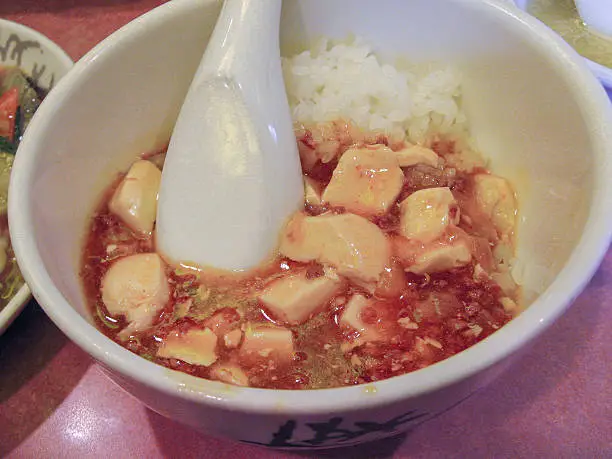
Sichuan Mapo Tofu
A classic fiery and numbing dish from Sichuan cuisine, Mapo Tofu is renowned for its bold flavors. It combines soft tofu with minced meat (usually pork or beef), fermented broad bean paste (doubanjiang), fermented black beans (douchi), and a generous amount of Sichuan peppercorns, which deliver the signature "mala" (numbing and spicy) sensation. This dish is not just about heat; it's about a complex interplay of savory, spicy, and aromatic notes that make it incredibly addictive. The vibrant red oil, the tender tofu, and the savory meat create a truly unforgettable experience. It's often served with steamed rice, allowing the rice to absorb the rich, spicy sauce.
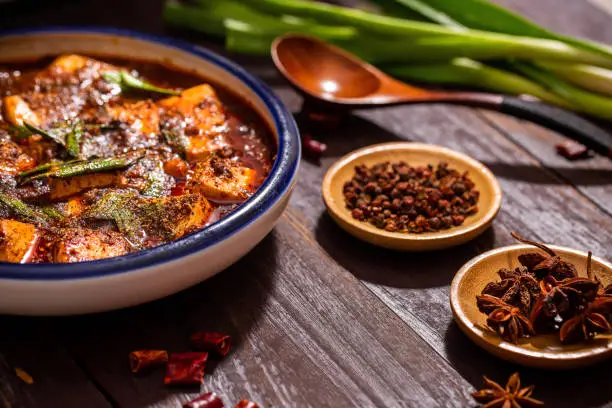
Five-Spice Roast Duck
Five-Spice Roast Duck is a culinary masterpiece, showcasing the aromatic depth of Chinese five-spice powder. This blend, typically consisting of star anise, cloves, Chinese cinnamon, Sichuan peppercorns, and fennel seeds, infuses the duck with a complex flavor profile that is both sweet, savory, and subtly spicy. The duck is marinated, air-dried for crispy skin, and then roasted to perfection, resulting in succulent meat and a beautifully rendered, crackling skin. This dish is a staple in celebratory meals and a true testament to the art of Chinese roasting. The preparation might seem elaborate, but the results are incredibly rewarding, making it a showstopper for any occasion.
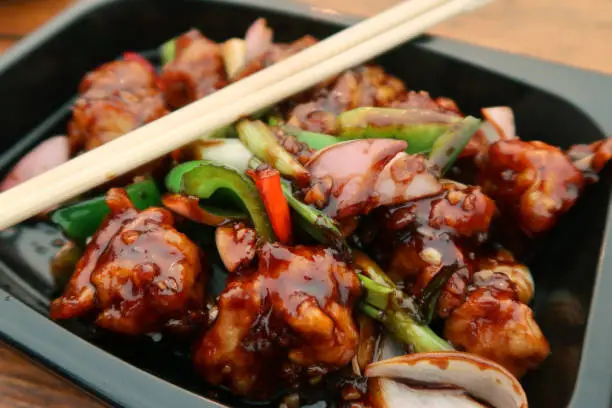
Kung Pao Chicken
Kung Pao Chicken is a vibrant and flavorful stir-fry dish originating from the Sichuan province of China. It features diced chicken, peanuts, vegetables (typically bell peppers and scallions), and dried chili peppers. The distinctive taste comes from a savory, sweet, and tangy sauce with a hint of heat and the characteristic numbing sensation from Sichuan peppercorns. It's a highly popular dish both inside and outside China, known for its dynamic flavors and satisfying texture. The balance of crispy peanuts, tender chicken, and vibrant vegetables makes it a complete and exciting meal. The quick stir-frying method ensures all ingredients retain their freshness and crunch.
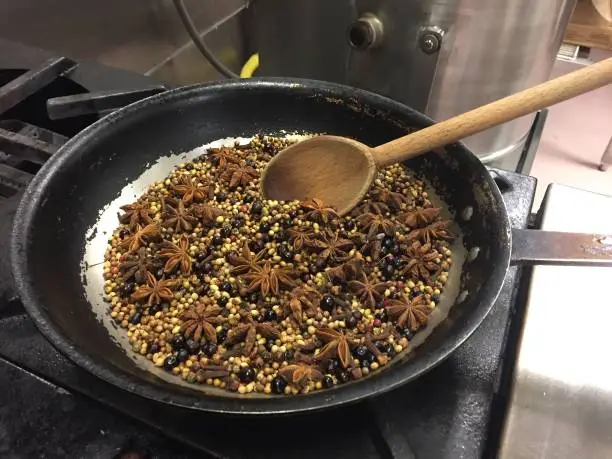
Spicy Cumin Lamb
Spicy Cumin Lamb, or "Ziran Yangrou," is a popular dish from Northwestern China, particularly associated with Xinjiang cuisine. It's characterized by its bold use of cumin and chili, creating a deeply aromatic and spicy flavor profile that is distinct from other Chinese regional cuisines. The lamb is thinly sliced and quickly stir-fried with a generous amount of ground cumin, chili flakes, and often Sichuan peppercorns, along with garlic and green onions. The result is tender, flavorful lamb with a smoky, earthy, and spicy kick that is incredibly satisfying. This dish is a must-try for lamb lovers and those who enjoy robust, spice-forward meals. The quick cooking time makes it an excellent weeknight dinner option.
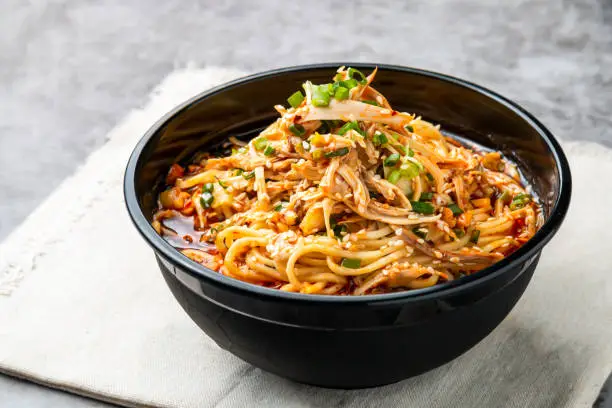
Dan Dan Noodles
Dan Dan Noodles, or "Dandan Mian," is a classic Sichuan street food known for its spicy, savory, and nutty flavor profile. The dish typically consists of springy wheat noodles topped with a rich, spicy sauce containing preserved vegetables (like yacai), chili oil, Sichuan peppercorns, and often a savory minced pork topping. What makes Dan Dan Noodles truly special is the layered complexity of its sauce, which combines chili oil for heat, Sichuan peppercorns for numbing sensation, sesame paste or peanut butter for creaminess, and various savory elements like soy sauce and vinegar. It's a textural and flavor adventure in every bite. While traditionally served as a snack, it can easily be a light meal.
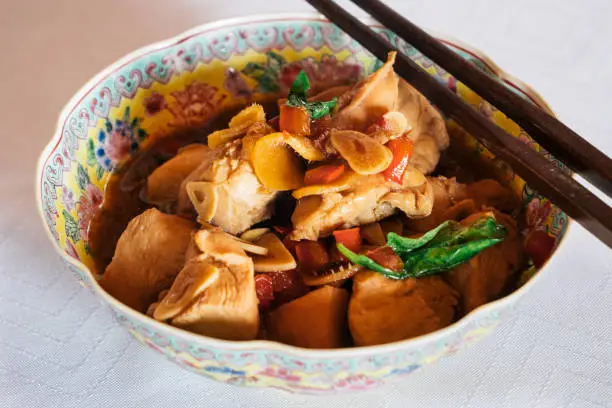
Three Cup Chicken (San Bei Ji)
Three Cup Chicken, or "San Bei Ji," is a beloved Taiwanese dish, though its origins trace back to Jiangxi province in mainland China. The name "Three Cup" refers to the traditional equal parts of soy sauce, rice wine (typically Shaoxing wine), and sesame oil used to create its signature rich, savory, and aromatic sauce. Alongside these three core ingredients, fresh basil leaves, ginger, and garlic are essential, infusing the chicken with an irresistible fragrance. The chicken is braised until tender and deeply flavored, with the sauce reducing to a glossy, caramelized coating. It's a comforting and incredibly flavorful dish that perfectly balances sweet, savory, and herbaceous notes.
Fascinating Facts About Chinese Spices
Chinese cuisine is celebrated globally for its diverse flavors, and at the heart of this diversity lies an intricate understanding and masterful application of spices. Unlike some cuisines that rely on a single dominant spice, Chinese cooking often employs a complex interplay of various spices to create balanced and layered flavor profiles. The history of spice use in China dates back thousands of years, deeply intertwined with traditional medicine, philosophy, and regional culinary traditions.
One of the most iconic spice blends is the **Five-Spice Powder (五香粉 - Wǔxiāngfěn)**. This fundamental blend typically comprises star anise, cloves, Chinese cinnamon, Sichuan peppercorns, and fennel seeds. Each component contributes a distinct taste, collectively representing the five traditional Chinese flavor profiles: sweet, sour, salty, bitter, and umami. Star anise provides a licorice-like sweetness, cloves offer a pungent warmth, cinnamon adds a woody sweetness, Sichuan peppercorns deliver a unique numbing sensation (ma la), and fennel seeds contribute an anise-like freshness. This blend is versatile, used in marinades for roasted meats like duck and pork, in braised dishes, and even in some desserts. Its balance is key to its widespread use and enduring popularity.
**Sichuan Peppercorn (花椒 - Huājiāo)** is perhaps the most distinctive Chinese spice, famous for the "mala" (麻辣) sensation it imparts – a combination of numbing (ma) and spicy (la). This unique tingling, buzzing, and slightly anesthetic effect on the tongue is unlike the heat from chili peppers. It's crucial in Sichuan dishes like Mapo Tofu, Kung Pao Chicken, and various hot pots. Beyond the numbing, it also has a citrusy, woody aroma. The peppercorns are often toasted and ground or infused in oil to extract their full flavor.
**Ginger (姜 - Jiāng)** and **Garlic (蒜 - Suàn)** are foundational aromatics in almost all Chinese cooking. While not spices in the traditional sense, their pungent and warming qualities are indispensable. Ginger is used to remove gamey odors from meats and seafood, add freshness to stir-fries, and provide a warming element in soups. Garlic offers a robust, savory base for countless dishes. Both are often minced, sliced, or crushed and used at the beginning of cooking to build flavor.
**Dried Red Chilies (干辣椒 - Gān làjiāo)** are responsible for the "la" (spicy) component in many Chinese dishes, particularly from Sichuan and Hunan provinces. They come in various sizes and heat levels, from mild to intensely hot. They are often stir-fried whole or cut into pieces to infuse cooking oil with their heat and aroma, or ground into chili flakes for sauces and condiments. The color they impart to dishes is also highly valued.
**Star Anise (八角 - Bājiǎo)**, with its beautiful star shape, offers a strong, sweet, and licorice-like flavor. It's a key ingredient in five-spice powder and is widely used in braised meats, stews, and red-cooked dishes (hongshao). It pairs exceptionally well with fatty meats like pork and beef, cutting through richness and adding a delightful fragrance.
**Chinese Cinnamon (肉桂 - Ròuguì)**, often thicker and more robust than Ceylon cinnamon, has a stronger, spicier flavor. It's a core component of five-spice powder and is used in savory dishes, especially those involving slow cooking or braising, where its warmth can permeate the ingredients.
**Fennel Seeds (小茴香 - Xiǎohuíxiāng)** provide a subtle anise-like flavor and aroma. They are part of the five-spice blend and are also used independently in some meat dishes and marinades, adding a fresh, slightly sweet note.
Other notable Chinese spices include **White Pepper (白胡椒 - Báihújiāo)**, which offers a milder, earthier heat than black pepper and is often used in lighter dishes and soups to maintain color; **Cloves (丁香 - Dīngxiāng)**, intensely aromatic and pungent, used sparingly in five-spice and braised dishes; and **Cardamom Pods (豆蔻 - Dòukòu)**, especially black cardamom, which provides a smoky, camphor-like flavor to stews and braised meats.
The philosophy behind Chinese spice use often emphasizes balance and harmony, known as "He" (和). This means achieving a perfect equilibrium of flavors, aromas, and textures. Spices are not just added for heat but for their medicinal properties (as per Traditional Chinese Medicine), their ability to enhance umami, and their role in creating a multi-sensory dining experience. Understanding these spices is the first step to truly appreciating and mastering the art of Chinese cooking.
Essential Tips for Cooking with Chinese Spices
Mastering Chinese spice cuisine can seem daunting, but with a few key tips, you can elevate your home cooking to new heights. The secret lies not just in the spices themselves, but in how you prepare and use them.
1. Understand the "Mala" Sensation:
- **Sichuan Peppercorns:** These are unique. To maximize their numbing and aromatic qualities, lightly toast them in a dry pan until fragrant (about 1-2 minutes), then grind them just before use. This releases their essential oils. For chili oil, infuse them directly in hot oil.
- **Balance:** The "mala" sensation is best when balanced with other flavors. Don't just add more chili; consider adding sweetness (sugar), sourness (vinegar), and savory notes (soy sauce) to create a harmonious profile.
2. Proper Use of Aromatics (Ginger & Garlic):
- **Freshness is Key:** Always use fresh ginger and garlic. Pre-minced versions often lack the potency and vibrant flavor.
- **Timing:** Add minced ginger and garlic after heating your oil, but before adding main ingredients. Sauté them briefly (30-60 seconds) until fragrant. Be careful not to burn them, as burnt garlic turns bitter.
- **Ginger Slices:** For braised dishes or soups, use larger slices of ginger to infuse flavor without overpowering the dish.
3. The Power of Five-Spice Powder:
- **Quality Matters:** Invest in a good quality five-spice powder. Better yet, make your own by grinding whole spices (star anise, cloves, Chinese cinnamon, Sichuan peppercorns, fennel seeds) for maximum freshness and aroma.
- **Marinades:** It's excellent in marinades for meats like pork, duck, and beef. Allow ample time for the flavors to penetrate – at least 30 minutes, or preferably several hours/overnight for deeper flavor.
- **Subtlety:** Five-spice powder is potent. Use it judiciously, especially when you're new to it, as too much can overwhelm a dish.
4. Infusing Oil with Spices:
- **Chili Oil:** To make aromatic chili oil, heat neutral oil (like vegetable or canola) to a medium temperature. Add dried chilies, Sichuan peppercorns, and sometimes star anise or bay leaves. Simmer gently for 5-10 minutes until the spices are fragrant and the oil is infused. Strain the oil for a clear, flavored oil, or leave the sediment for texture.
- **Aromatic Base:** This technique is crucial for building the flavor foundation of many stir-fries and braised dishes.
5. Sourcing Ingredients:
- **Asian Groceries:** For authentic Chinese spices like doubanjiang (broad bean paste), douchi (fermented black beans), Shaoxing wine, and specific types of dried chilies, visit an Asian grocery store. They offer a wider selection and better quality than most conventional supermarkets.
- **Freshness:** When buying whole spices, look for vibrant colors and strong aromas. Store them in airtight containers away from light and heat to preserve their potency.
6. Stir-Frying Techniques:
- **High Heat, Quick Cooking:** Chinese stir-frying relies on high heat and quick cooking to seal in flavors and maintain the crispness of vegetables. Ensure your wok or pan is very hot before adding ingredients.
- **Mise en Place:** Have all your ingredients prepped and ready before you start cooking. Stir-frying moves fast, and you won't have time to chop or measure once you begin.
- **Don't Overcrowd:** Cook in batches if necessary to avoid lowering the pan's temperature, which can lead to steaming instead of stir-frying.
7. Balancing Flavors:
- **Sweet, Sour, Salty, Spicy, Umami:** Chinese cooking often aims for a balance of these five fundamental tastes. Don't be afraid to adjust sugar, vinegar, soy sauce, and chili to achieve your desired harmony.
- **Taste and Adjust:** Always taste your food as you cook and adjust seasonings. This is the most important tip for any cuisine.
By incorporating these tips into your cooking routine, you'll be well on your way to creating authentic and incredibly flavorful Chinese dishes that truly highlight the magic of their spices. Happy cooking!
Disclaimer
The information provided on Spicechemy Recipes (the "Website") is for general informational and educational purposes only. All recipes, cooking tips, facts, and other content are provided in good faith, but we make no representation or warranty of any kind, express or implied, regarding the accuracy, adequacy, validity, reliability, availability, or completeness of any information on the Website. Your reliance on any information on this Website is solely at your own risk.
**Allergies and Dietary Restrictions:** While we strive to provide accurate ingredient lists, it is the user's responsibility to verify all ingredients and ensure they are safe for their specific dietary needs and allergies. Recipes may contain common allergens such as nuts, soy, gluten, dairy, eggs, and shellfish. We cannot guarantee that any recipe is free from specific allergens or suitable for all dietary restrictions (e.g., vegan, vegetarian, gluten-free, keto). Always exercise caution and consult with a healthcare professional or registered dietitian if you have concerns about food allergies, intolerances, or specific dietary requirements. Cross-contamination can occur in any kitchen environment.
**Health and Nutrition Information:** Any nutritional information provided (e.g., calorie counts, macronutrients) is an estimate only and should not be considered professional medical or nutritional advice. Nutritional values can vary significantly based on ingredient brands, preparation methods, and serving sizes. We recommend using a reliable nutrition calculator for precise dietary planning. Always consult with a qualified healthcare provider before making any changes to your diet or if you have any health concerns.
**Recipe Variations and Results:** Cooking is an art, and results may vary. Factors such as ingredient quality, cooking equipment, oven calibration, and individual technique can all impact the outcome of a recipe. We encourage users to adapt recipes to their taste preferences and available ingredients. We are not responsible for any unsatisfactory results or adverse effects that may arise from following our recipes.
**Kitchen Safety:** Cooking involves inherent risks, including but not limited to cuts, burns, and other injuries. Always exercise extreme caution when handling sharp knives, hot surfaces, and cooking appliances. Ensure proper ventilation when cooking, especially when using high heat. Keep children and pets away from the cooking area. We are not liable for any accidents, injuries, or damages that may occur while preparing or consuming food from our recipes.
**External Links:** The Website may contain links to external websites that are not provided or maintained by or in any way affiliated with Spicechemy Recipes. Please note that Spicechemy Recipes does not guarantee the accuracy, relevance, timeliness, or completeness of any information on these external websites. We do not endorse the content, products, services, or views expressed on any linked site. Visiting any external links is at your own risk, and we encourage you to review the privacy policies and terms of service of those sites.
**Copyright and Intellectual Property:** All content on this Website, including text, images, and recipes, is the property of Spicechemy Recipes unless otherwise stated. Unauthorized reproduction or distribution of any content is strictly prohibited. You may use our recipes for personal, non-commercial use only.
**Changes to Content:** We reserve the right to modify, update, or remove any content on the Website at any time without prior notice. While we strive to keep the information up-to-date and accurate, there may be instances where content is outdated or contains errors.
By using this Website, you hereby acknowledge and agree to this disclaimer and its terms. If you do not agree with any part of this disclaimer, you must not use our Website. This disclaimer is subject to change at any time.
Our Commitment to Customer Satisfaction
At Spicechemy Recipes, your culinary journey and satisfaction are at the heart of everything we do. We are passionately dedicated to providing high-quality, authentic, and inspiring Chinese spice recipes that empower you to create delicious meals at home. We meticulously research and test our recipes to ensure clarity, accuracy, and delectable results. Your feedback is invaluable to us, helping us to continuously improve and expand our offerings. We believe that cooking should be an enjoyable and rewarding experience, and we are committed to being a trusted resource for your Chinese culinary adventures. Should you have any questions, suggestions, or concerns, please do not hesitate to reach out to us through our contact page. We are here to support you every step of the way in discovering the magic of Chinese spices!